Therapeutic Style
I work with children, teens, young adults, adults, parents, caregivers, and families navigating anxiety, depression, neurodiversity, motivation, relationship challenges, family conflict, self-esteem, and life transitions.
My approach is collaborative, structured, and goal-oriented. Together, we identify meaningful goals and break them down into practical, achievable steps. I provide compassionate accountability throughout the process, helping clients recognize barriers, celebrate progress, and adjust goals as needed to support lasting growth. Therapy is always a judgment-free space built on respect, empathy, and trust.
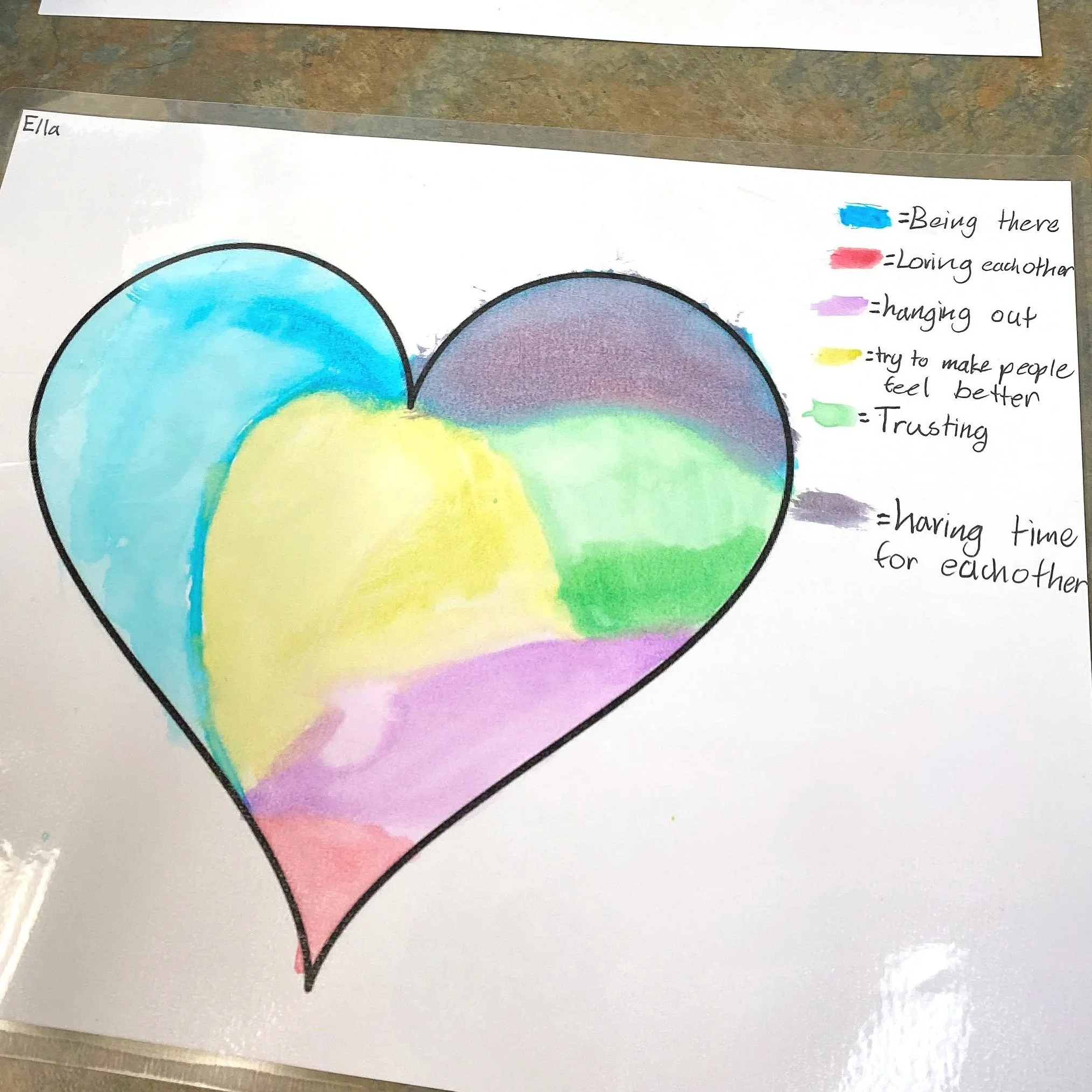
I believe therapy should be engaging, individualized, and empowering. I tailor each treatment plan to the unique needs, strengths, and interests of the client, combining evidence-based practices with creative interventions that make the therapeutic process both meaningful and effective. Depending on the client's age and goals, sessions may incorporate play, art, journaling, therapeutic games, skill-building activities, psychoeducation, and between-session practice.
My work is grounded in evidence-based modalities, including Cognitive Behavioral Therapy (CBT), Dialectical Behavior Therapy (DBT), Acceptance and Commitment Therapy (ACT), Person-Centered Therapy, and Family Therapy. My goal is to help clients build practical skills, increase self-awareness, strengthen relationships, and develop the confidence to navigate life's challenges both in and outside of therapy.
Evidence-Based Modalities
-
ACT stands for Acceptance and Commitment Therapy. I support clients with accepting painful thoughts and feelings and learning how to handle these in new, creative ways. Ignoring and trying to get rid of painful thoughts and feelings will not work long term. Instead, it's about learning how to handle those thoughts and feelings in new ways so they don’t control your life. I help clients make room for difficult emotions rather than fighting them. This is the "Acceptance" part of ACT. I also support clients with helping them to figure out what really matters to them and take steps toward that life. That’s the "Commitment" part. ACT skills I utilize with clients include: Being present- learning to notice your thoughts and feelings without getting stuck in them. Letting go of the struggle- accepting that some things are outside of your control. Choosing what matters- identifying your values and committing to actions that bring meaning to your life. A metaphor within ACT: Think of it like learning to steer a boat through rough waters. Rather than trying to stop the waves, you still move forward, even if the water is choppy. We are unable to stop the waves, but can control how we navigate them.
-
CBT, which stands for Cognitive Behavioral Therapy, is based on the theory that our thoughts, feelings, and actions are all connected. The idea is if we change the way we think about things, it can help change how we feel and what we do. For example, if you're constantly thinking "I'm not good enough", this can lead to feeling sad or anxious, and maybe avoiding things you care about. Using CBT, I help clients to work on noticing those thoughts, understanding how they affect them, and learning how to respond to these thoughts in a more helpful way. CBT skills I utilize with clients include: Identifying unhelpful thinking patterns. Looking at evidence for and against unhelpful thoughts. Practicing more balanced ways of thinking. Identifying small behavior changes that can improve mood and confidence. CBT is a very hands-on, practical approach. As a therapist utilizing CBT, I am able to provide tools to clients for them to learn about and practice in session and utilize in their life. I support clients with creating measurable and achievable goals and action steps to work on towards goals. The goal of CBT treatment isn’t for clients to just "think positive", but to think more realistically and take steps that move them toward feeling better and living the life they desire.
-
DBT stands for Dialectical Behavior Therapy. This treatment method is especially helpful for people who feel overwhelmed by intense emotions, have trouble with relationships, or find themselves stuck in patterns that hurt more than help. The word "dialectical" means two opposing things can be true at once. In DBT, we’re always looking for that middle ground: finding balance between two sides. Instead of thinking in all-or-nothing ways like "I’m either a total failure or totally fine", we learn to see the full picture. DBT utilizes a variety of skills within 4 main skill areas: 1) Mindfulness- learning to slow down and be present in the moment without judgment. 2) Emotion regulation- understanding and managing strong feelings without being controlled by them. 3) Distress tolerance- getting through tough moments in a healthy way without making things worse. 4) Interpersonal effectiveness- communicating clearly and setting healthy boundaries in relationships. Utilizing DBT, I support clients to better understand their patterns, practice new ways of responding, and finding more balance between acceptance and change.
-
Utilizing person-centered therapy, I meet clients where they are at. I am not here to judge; I am here to listen, support, and help clients to better understand themselves and what they desire in life. The person-centered approach is based on the belief that people grow and change when they feel truly heard, accepted, and understood. I work to create a safe, non-judgmental space where clients can be themselves, whether they're feeling lost, confused, sad, angry, or anything else.
-
Family therapy is a type of counseling where the therapist works with the client and their family members together. Families are connected: how one person feels or acts can affect everyone else. Rather than focusing on just one person, we look at the whole family system and how they interact. In family therapy, a variety of topics may be discussed and explored. This includes: Talking about challenges the family is facing (examples: communication problems, conflicts, or changes), building understanding and support, family members learning ways of relating to each other, boundary and limit setting. The goal is to help the family work as a team, improve relationships, and find solutions that work for everyone.